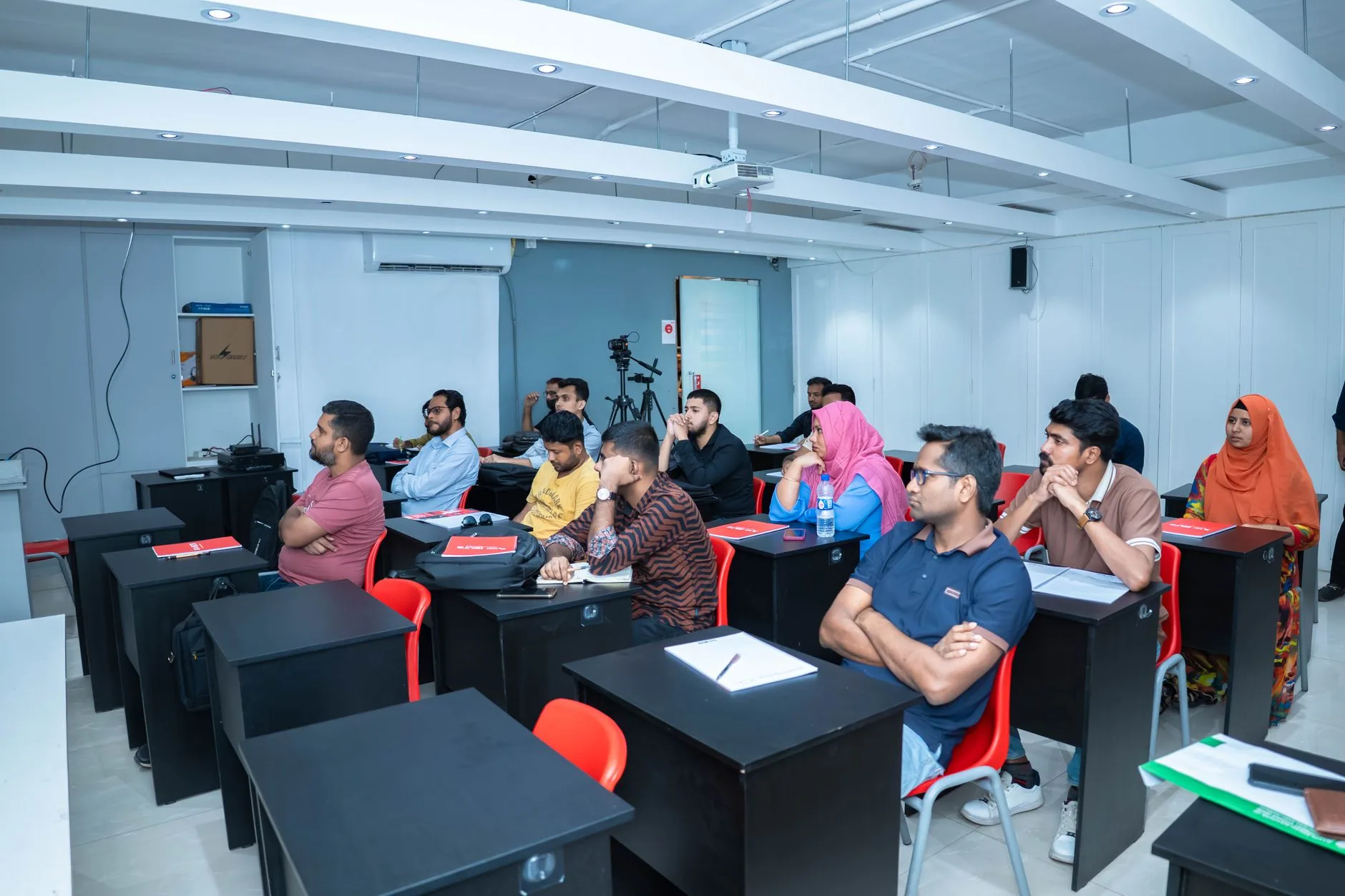
Advanced, career-focused, and industry-relevant executive diplomas designed to build leadership, strategic, and technical expertise in procurement, supply chain, tourism, and emerging business areas.
Our Executive Diploma Programs
Select an executive diploma to view the program overview, schedule, and enrollment details.
Professional Certification for the Global Events & Tourism Industry
Certified Global Event & Destination Professional (GEDP®)
Professional Certification in International Event Planning, Destination Development, Digital Event Technologies, Visitor Experience Design, Sustainable Events, and Global Tourism Innovation
The Certified Global Event & Destination Professional (GEDP®) is a foundational professional certification that equips individuals with the knowledge and practical frameworks to plan, manage, and promote international events and destination experiences.
The program combines event management principles with destination development, digital technologies, visitor experience design, marketing, sustainability, and data-driven event performance.
Why Earn the GEDP® Certification?
Build essential global event management skills.
Understand destination development and branding.
Apply digital event technologies and platforms.
Design exceptional, visitor-centered experiences.
Use marketing and engagement strategies effectively.
Implement sustainable and responsible event practices.
Analyze event performance and visitor insights.
Support tourism growth and destination competitiveness.
Event feasibility, budgeting, and venue selection.
Event logistics and operational coordination.
Supplier and vendor management.
Event procurement fundamentals.
Registration and attendee management.
Hybrid and virtual event platforms.
Event management information systems.
Event analytics and performance reporting.
Event promotion and digital marketing.
Social media and audience engagement.
Visitor journey mapping.
Inclusive and accessible event experiences.
Event safety and risk awareness.
Environmental sustainability.
Community and cultural responsibility.
Smart event technologies and emerging trends.
GEDP® Program Modules
8 Modules | 24 Submodules
01Event Management Fundamentals
02MICE & Event Operations
03Destination Development & Branding
04Digital Event Technology & Hybrid Events
05Event Marketing & Audience Engagement
06Sustainable, Inclusive & Responsible Events
07Event Safety, Risk & Compliance
08Performance Measurement & Destination Impact
Exam & Program Details
Exam Format
Multiple Choice
Total Questions
100
Exam Duration
90 Minutes
Passing Score
70%
Delivery
Online Proctored
Language
English
Training & Certification Options
Self-Study (Exam Only)
$399.00 USD
Independent preparation
Exam and study resources
Recommended: 6-8 weeks
Virtual Instructor-Led (VILT)
$1,200 USD
4 days (2 hours per day)
Live, interactive instruction
Case studies & practical exercises
Exam (subject to confirmation)
In-Person / Hybrid$1,250 USD
Classroom or hybrid delivery
Industry-focused training
Case studies and activities
Location: AAPSCM® Conference Center (Columbia, SC)
Career Opportunities
Event Coordinator / Event Specialist
Meetings & Conventions (MICE) Assistant
Destination Marketing Specialist
Tourism Development Coordinator
Event Operations Manager
Visitor Experience Specialist
Destination Experience Manager
Sustainable Events Coordinator
More Program Information
1 / 10Swipe or use the arrows →
Program Introduction
LEAD GLOBAL EVENTS AND CREATE EXCEPTIONAL DESTINATION EXPERIENCES
Connecting Global Audiences, Strengthening Destinations, and Delivering Memorable Events
International events and tourism destinations play an important role in economic development, business networking, cultural exchange, investment promotion, community engagement, and destination competitiveness.
Conferences, conventions, exhibitions, trade shows, festivals, sporting competitions, government forums, and cultural celebrations bring together participants from different regions and industries. These events can generate opportunities for hotels, transportation providers, restaurants, attractions, local businesses, and tourism organizations.
However, successful events require more than selecting a venue and inviting participants.
Modern event professionals must understand event planning processes, operational coordination, supplier management, participant registration, destination marketing, visitor experience design, technology-enabled engagement, sustainability, accessibility, safety, and performance measurement.
The Certified Global Event & Destination Professional (GEDP®) certification, offered by the American Association of Procurement, Supply Chain & Tourism Management (AAPSCM®), is a foundational professional certification designed to develop and assess knowledge of global event management and destination experience development.
GEDP® introduces candidates to the planning, coordination, promotion, and evaluation of international events while examining how events contribute to destination visibility, tourism development, and visitor satisfaction.
The program integrates traditional event management principles with contemporary practices, including hybrid events, digital registration, audience engagement technologies, event analytics, responsible procurement, sustainable event operations, and inclusive visitor experience design.
The certification emphasizes practical professional knowledge and operational competence. It is suitable for individuals supporting event projects, destination programs, tourism services, and event-related hospitality operations.
GEDP® — Connect People. Create Experiences. Strengthen Global Destinations.
The Growing Importance of Global Events and Destination Management
Events as Drivers of Tourism, Business, and Cultural Exchange
Events can contribute to destination development by attracting visitors, creating commercial opportunities, supporting local businesses, and increasing destination visibility.
Their actual economic and social benefits depend on factors such as visitor spending, local supplier participation, infrastructure capacity, event quality, and responsible planning.
2.1 International Conferences and Conventions
Professional associations, academic institutions, corporations, and international organizations organize conferences to share knowledge, build partnerships, and discuss industry developments.
These events require structured programs, speaker coordination, registration systems, venue services, audiovisual support, and participant communication.
2.2 Trade Shows and Exhibitions
Trade shows provide opportunities for organizations to showcase products, develop business relationships, identify customers, and explore new markets.
Event teams must coordinate exhibition spaces, exhibitor services, booth requirements, freight movement, attendee registration, and marketing activities.
2.3 Cultural and Heritage Festivals
Festivals promote cultural expression, community participation, local traditions, and destination identity.
Professional planning should respect cultural authenticity, community interests, accessibility, safety, and environmental considerations.
2.4 Sporting Events and Competitions
Sporting events may attract athletes, spectators, media organizations, sponsors, and supporting businesses.
They require coordinated venue operations, transportation, accommodation, crowd management, and visitor services.
2.5 Government and International Organization Events
Government forums and international meetings require careful attention to protocol, stakeholder coordination, security requirements, accessibility, communications, and operational reliability.
2.6 Destination Experience Programs
Tourism organizations may organize destination showcases, familiarization visits, cultural experiences, and special tourism programs to strengthen destination awareness.
2.7 Digital and Hybrid Events
Digital event platforms make it possible to extend participation beyond physical venues.
Event professionals must understand virtual registration, streaming, digital networking, attendee engagement, and technical support.
2.8 Sustainable and Inclusive Events
Event organizers increasingly need to address waste management, responsible sourcing, accessibility, community impacts, transportation, and resource efficiency.
GEDP® introduces these considerations as essential components of professional event planning.
1.1 What Is the GEDP® Certification?
The Certified Global Event & Destination Professional (GEDP®) is a professional credential focused on the essential knowledge required to support international events, destination development programs, and visitor-centered tourism experiences.
It covers the event lifecycle, from initial concept development and feasibility assessment through planning, promotion, delivery, evaluation, and post-event reporting.
Candidates also learn how events contribute to tourism development and how destination characteristics influence event planning decisions.
Core Professional Competency Areas
GEDP® addresses:
International event management fundamentals.
Meetings, incentives, conferences, and exhibitions (MICE).
Event classification and industry structures.
Event objectives and stakeholder requirements.
Destination development and tourism planning.
Destination branding and competitiveness.
Event-driven tourism development.
Event feasibility and basic budgeting.
Venue evaluation and selection.
Event logistics and operational coordination.
Supplier and vendor management.
Event procurement fundamentals.
Registration and attendee management.
Hybrid and virtual event platforms.
Event management information systems.
Event analytics and reporting.
Event promotion and digital marketing.
Social media and audience engagement.
Visitor journey mapping.
Inclusive and accessible event experiences.
Event safety and risk awareness.
Environmental sustainability.
Community and cultural responsibility.
Smart event technologies.
Emerging trends in international events.
1.2 Purpose of the Certification
GEDP® is intended to strengthen the professional knowledge required to contribute effectively to event and destination projects.
Improve understanding of visitor and attendee experiences.
Introduce event performance measurement and reporting.
Promote environmentally and socially responsible event practices.
Strengthen awareness of event safety, accessibility, and risk.
Prepare candidates to support innovation in event and destination services.
1.3 What Makes GEDP® Distinctive?
GEDP® connects two complementary professional disciplines:
Global Event Management + Tourism Destination Development
Rather than examining events solely as individual projects, the program considers how event planning decisions influence destination reputation, visitor satisfaction, local economic activity, community participation, and long-term tourism development.
It also recognizes that event professionals frequently coordinate with destination marketing organizations, hotels, convention centers, government agencies, suppliers, transportation providers, and community stakeholders.
Certification Overview
1.1 What Is the GEDP® Certification?
The Certified Global Event & Destination Professional (GEDP®) is a professional credential focused on the essential knowledge required to support international events, destination development programs, and visitor-centered tourism experiences.
It covers the event lifecycle, from initial concept development and feasibility assessment through planning, promotion, delivery, evaluation, and post-event reporting.
Candidates also learn how events contribute to tourism development and how destination characteristics influence event planning decisions.
Core Professional Competency Areas
GEDP® addresses:
International event management fundamentals.
Meetings, incentives, conferences, and exhibitions (MICE).
Event classification and industry structures.
Event objectives and stakeholder requirements.
Destination development and tourism planning.
Destination branding and competitiveness.
Event-driven tourism development.
Event feasibility and basic budgeting.
Venue evaluation and selection.
Event logistics and operational coordination.
Supplier and vendor management.
Event procurement fundamentals.
Registration and attendee management.
Hybrid and virtual event platforms.
Event management information systems.
Event analytics and reporting.
Event promotion and digital marketing.
Social media and audience engagement.
Visitor journey mapping.
Inclusive and accessible event experiences.
Event safety and risk awareness.
Environmental sustainability.
Community and cultural responsibility.
Smart event technologies.
Emerging trends in international events.
1.2 Purpose of the Certification
GEDP® is intended to strengthen the professional knowledge required to contribute effectively to event and destination projects.
Improve understanding of visitor and attendee experiences.
Introduce event performance measurement and reporting.
Promote environmentally and socially responsible event practices.
Strengthen awareness of event safety, accessibility, and risk.
Prepare candidates to support innovation in event and destination services.
1.3 What Makes GEDP® Distinctive?
GEDP® connects two complementary professional disciplines:
Global Event Management + Tourism Destination Development
Rather than examining events solely as individual projects, the program considers how event planning decisions influence destination reputation, visitor satisfaction, local economic activity, community participation, and long-term tourism development.
It also recognizes that event professionals frequently coordinate with destination marketing organizations, hotels, convention centers, government agencies, suppliers, transportation providers, and community stakeholders.
Why Earn the GEDP® Certification?
Professional Development Benefits
3.1 Build International Event Management Knowledge
Understand the structures, terminology, processes, and operational requirements associated with global events.
3.2 Strengthen Event Planning Competencies
Develop knowledge of event objectives, planning schedules, venue requirements, stakeholder coordination, and delivery procedures.
3.3 Understand Destination Development
Learn how events relate to destination branding, tourism competitiveness, visitor services, and local economic development.
Understand the applications of registration platforms, hybrid event technologies, event management systems, and engagement tools.
3.6 Strengthen Marketing and Promotion Knowledge
Learn how event websites, social media, email campaigns, destination marketing, and partnerships support event promotion.
3.7 Improve Visitor Experience Design
Understand how attendee journey mapping, accessibility, communication, and service quality influence participant satisfaction.
3.8 Develop Event Analytics Awareness
Learn to interpret registration, attendance, engagement, satisfaction, and event performance indicators.
3.9 Understand Sustainable Event Practices
Develop knowledge of environmental responsibility, inclusive planning, community engagement, and responsible event operations.
3.10 Prepare for Professional Advancement
Build a foundation for further study in event management, destination marketing, tourism development, hospitality operations, and event technology.
The certification demonstrates knowledge within its defined scope. Employment and career outcomes depend on individual qualifications and employer requirements.
Eight Core Knowledge Domains
Domain
Knowledge Area
Professional Application
1
Global Event Management Fundamentals
Event types, planning principles, and event management frameworks
2
Destination Development and Tourism Planning
Destination branding, competitiveness, and event-driven tourism
3
Event Planning and Logistics
Event lifecycle, venue operations, and supplier coordination
4
Digital Event Technologies
Hybrid platforms, event systems, and analytics
5
Event Marketing and Audience Engagement
Promotion, digital marketing, and social media
6
Visitor Experience and Event Design
Service design, attendee journeys, and engagement technologies
7
Sustainable Event Management
Environmental responsibility, inclusion, and destination sustainability
8
Global Event Innovation and Future Trends
Smart technologies, innovation, and emerging event practices
Eight Core Modules and Twenty-Four Specialized Submodules
Each module combines professional concepts, industry applications, recommended practical exercises, and foundational competencies.
MODULE 1 — FOUNDATIONS OF GLOBAL EVENT MANAGEMENT
Module Overview
This module introduces the international events industry, its major event categories, the stakeholders involved, and the planning frameworks used to coordinate successful events.
Candidates examine the relationship between event objectives, participant needs, organizational requirements, and destination characteristics.
Submodule 1.1 — Evolution of Global Events and Conferences
Topics Covered
History and development of organized events.
Growth of international conferences.
Development of the MICE industry.
Business events and professional associations.
Global exhibitions and trade shows.
Cultural and community events.
Sports and entertainment events.
International event participation.
Destination selection trends.
Digital transformation of events.
Hybrid event development.
Contemporary event industry challenges.
Professional Application: Explain how global events have evolved and identify major industry stakeholders.
Submodule 1.2 — Types of International Events
Topics Covered
Corporate meetings.
Professional conferences.
Academic conferences.
International conventions.
Trade exhibitions.
Consumer exhibitions.
Cultural festivals.
Government forums.
Sporting competitions.
Incentive travel programs.
Destination showcases.
Hybrid and virtual events.
Professional Application: Classify different event types and identify their principal planning requirements.
Submodule 1.3 — Event Management Frameworks
Topics Covered
Event objectives and scope.
Event stakeholder identification.
Event concept development.
Feasibility considerations.
Preliminary budgeting.
Event schedules.
Work breakdown structures.
Roles and responsibilities.
Communication planning.
Event risk awareness.
Quality assurance.
Post-event evaluation.
Professional Application: Develop a basic event concept and planning framework.
Module 1 Applied Learning Activity
Global Event Concept Development
Candidates prepare an event concept brief containing the event purpose, target audience, proposed destination, event format, principal stakeholders, preliminary activities, and success indicators.
MODULE 2 — DESTINATION DEVELOPMENT AND TOURISM PLANNING
Module Overview
This module examines how destinations attract events, develop tourism infrastructure, promote local experiences, and strengthen their competitiveness.
Candidates explore the relationship between destination identity, visitor services, event opportunities, and tourism development.
Submodule 2.1 — Destination Branding Strategies
Topics Covered
Destination branding fundamentals.
Destination identity.
Destination positioning.
Tourism market segments.
Visitor perceptions.
Destination storytelling.
Cultural and heritage assets.
Destination promotional campaigns.
Event-based destination marketing.
Tourism stakeholder partnerships.
Destination reputation.
Brand performance indicators.
Professional Application: Develop a basic destination branding and event promotion concept.
Submodule 2.2 — Tourism Infrastructure and Destination Competitiveness
Topics Covered
Destination competitiveness.
Convention and exhibition facilities.
Hotel accommodation capacity.
Airport and transportation access.
Visitor attractions.
Public infrastructure.
Digital connectivity.
Tourism accessibility.
Visitor safety considerations.
Hospitality service capacity.
Destination readiness assessment.
Infrastructure improvement opportunities.
Professional Application: Prepare a destination suitability checklist for a proposed international event.
Submodule 2.3 — Event-Driven Tourism Development
Topics Covered
Events as tourism development tools.
Event tourism fundamentals.
Visitor spending.
Tourism seasonality.
Local business participation.
Destination partnerships.
Cultural tourism opportunities.
Sports tourism development.
Conference tourism.
Community engagement.
Event legacy concepts.
Tourism impact measurement.
Professional Application: Identify potential tourism benefits and community considerations associated with an event.
Module 2 Applied Learning Activity
Destination Readiness and Event Tourism Assessment
Candidates evaluate a proposed destination based on accessibility, accommodation, venue infrastructure, tourism attractions, transportation, stakeholder support, and visitor experience opportunities.
MODULE 3 — EVENT PLANNING AND LOGISTICS
Module Overview
This module introduces the operational processes required to prepare and deliver organized events.
Candidates examine event schedules, venue requirements, supplier coordination, registration, transportation, accommodation, and on-site service delivery.
Submodule 3.1 — Event Planning Lifecycle
Topics Covered
Event initiation.
Objectives and scope.
Feasibility assessment.
Preliminary event budgets.
Event planning timelines.
Program development.
Registration planning.
Stakeholder coordination.
Operational preparation.
Event delivery.
Event closeout.
Post-event evaluation.
Professional Application: Develop a basic event planning timeline and task checklist.
Submodule 3.2 — Venue Selection and Event Operations
Topics Covered
Venue selection criteria.
Capacity and room configurations.
Convention centers and hotels.
Site inspections.
Accessibility requirements.
Audiovisual infrastructure.
Internet connectivity.
Registration areas.
Catering arrangements.
Signage and wayfinding.
Emergency procedures.
On-site operational coordination.
Professional Application: Compare venue options using a structured selection checklist.
Submodule 3.3 — Vendor and Supplier Coordination
Topics Covered
Event supplier categories.
Supplier identification.
Request for quotation fundamentals.
Supplier comparison.
Catering providers.
Audiovisual vendors.
Transportation services.
Event equipment rental.
Printing and signage.
Service agreements.
Delivery coordination.
Supplier performance evaluation.
Professional Application: Develop a basic event supplier coordination plan.
Module 3 Applied Learning Activity
Event Operations and Logistics Plan
Candidates prepare an operational checklist addressing venue readiness, registration, audiovisual requirements, catering, transportation, suppliers, staffing, safety, and event-day coordination.
MODULE 4 — DIGITAL EVENT TECHNOLOGIES
Module Overview
This module introduces technologies used to plan, deliver, monitor, and evaluate modern events.
Candidates learn how event platforms support registration, virtual participation, communications, scheduling, and performance reporting.
Submodule 4.1 — Hybrid and Virtual Event Platforms
Topics Covered
Virtual event fundamentals.
Hybrid event models.
Live streaming.
Webinar platforms.
Virtual conference platforms.
Remote speaker participation.
Digital networking.
Virtual exhibitor experiences.
Audience interaction.
Technical rehearsal.
Connectivity requirements.
Hybrid event accessibility.
Professional Application: Develop a basic hybrid event delivery checklist.
Submodule 4.2 — Digital Event Management Systems
Topics Covered
Event management software.
Online registration.
Event websites.
Ticketing systems.
Attendee databases.
Speaker management.
Session scheduling.
Event mobile applications.
Badge printing.
Digital check-in.
Event communications.
Platform security awareness.
Professional Application: Evaluate the functions of an event management platform.
Submodule 4.3 — Event Data Analytics Platforms
Topics Covered
Event data fundamentals.
Registration data.
Attendance reporting.
Session participation.
Digital engagement indicators.
Exhibitor activity.
Participant surveys.
Satisfaction measurement.
Event dashboards.
Spreadsheet analysis.
Event performance reporting.
Data quality and privacy.
Professional Application: Interpret a sample event analytics dashboard.
Module 4 Applied Learning Activity
Digital Event Technology Evaluation
Candidates compare two event technology options using criteria such as functionality, accessibility, ease of use, data reporting, security, support, and estimated costs.
MODULE 5 — EVENT MARKETING AND AUDIENCE ENGAGEMENT
Module Overview
This module examines how event professionals attract participants, communicate event value, and engage audiences before, during, and after events.
Submodule 5.1 — Event Promotion Strategies
Topics Covered
Event marketing fundamentals.
Target audience identification.
Event value proposition.
Event branding.
Promotional objectives.
Marketing calendars.
Partnership marketing.
Sponsor communications.
Media relations.
Public relations.
Registration campaigns.
Promotion performance.
Professional Application: Develop a basic event promotion plan.
Submodule 5.2 — Digital Marketing for Events
Topics Covered
Event websites.
Search engine visibility.
Email marketing.
Digital advertising.
Landing pages.
Online registration promotion.
Audience segmentation.
Promotional content.
Campaign scheduling.
Conversion tracking.
Marketing analytics.
Digital communication ethics.
Professional Application: Prepare a digital event marketing calendar.
Submodule 5.3 — Social Media and Audience Engagement
Topics Covered
Social media strategy.
Platform selection.
Event announcements.
Speaker promotion.
Exhibitor promotion.
Social media storytelling.
Event hashtags.
Live event updates.
Audience questions.
Community engagement.
Post-event content.
Engagement performance indicators.
Professional Application: Develop a social media engagement plan for an event.
Module 5 Applied Learning Activity
Integrated Event Marketing Campaign
Candidates create an event promotion plan with target audiences, key messages, promotional channels, sample communications, and campaign performance measures.
MODULE 6 — VISITOR EXPERIENCE AND EVENT DESIGN
Module Overview
This module examines how event organizers design positive attendee experiences through service planning, journey mapping, accessibility, and engagement.
Submodule 6.1 — Experience Design for Events
Topics Covered
Event experience fundamentals.
Participant expectations.
Event atmosphere.
Service quality.
Registration experience.
Venue navigation.
Session accessibility.
Networking opportunities.
Cultural considerations.
Inclusive event design.
Service recovery.
Participant satisfaction.
Professional Application: Identify improvements to a participant's event experience.
Submodule 6.2 — Visitor Journey Mapping
Topics Covered
Attendee journey stages.
Event discovery.
Registration.
Pre-event communication.
Travel and arrival.
Check-in.
Session participation.
Networking.
Departure.
Post-event engagement.
Visitor pain points.
Journey improvement.
Professional Application: Develop an attendee journey map.
Submodule 6.3 — Event Engagement Technologies
Topics Covered
Event mobile applications.
Live polling.
Digital question-and-answer tools.
Networking applications.
Interactive event displays.
QR-code engagement.
Digital agendas.
Session feedback systems.
Virtual participation.
Gamification concepts.
Engagement analytics.
Technology accessibility.
Professional Application: Develop a technology-supported attendee engagement plan.
Module 6 Applied Learning Activity
Visitor-Centered Event Experience Improvement Plan
Candidates evaluate a simulated event experience, identify participant challenges, and recommend improvements to registration, communication, accessibility, navigation, and engagement.
MODULE 7 — SUSTAINABLE EVENT MANAGEMENT
Module Overview
This module introduces environmentally responsible, socially inclusive, and economically sustainable event practices.
Candidates examine how event decisions affect resource consumption, communities, accessibility, and destination sustainability.
Submodule 7.1 — Environmental Sustainability in Events
Topics Covered
Sustainable event principles.
Environmental impact awareness.
Waste prevention.
Recycling and material recovery.
Energy efficiency.
Water conservation.
Sustainable catering.
Food waste reduction.
Transportation impacts.
Responsible event materials.
Supplier sustainability considerations.
Environmental performance indicators.
Professional Application: Develop an environmental sustainability checklist.
Submodule 7.2 — Social Responsibility in Event Planning
Topics Covered
Social responsibility fundamentals.
Community participation.
Accessible event services.
Inclusive communications.
Cultural sensitivity.
Ethical supplier practices.
Local business engagement.
Workforce welfare.
Volunteer management.
Participant safety.
Responsible sponsorship.
Social impact assessment.
Professional Application: Develop an inclusive and socially responsible event planning checklist.
Submodule 7.3 — Sustainable Destination Practices
Topics Covered
Sustainable destination development.
Tourism carrying capacity concepts.
Visitor flow considerations.
Community benefits.
Cultural heritage protection.
Destination infrastructure impacts.
Local economic participation.
Sustainable mobility.
Destination stakeholder engagement.
Responsible visitor communication.
Event legacy.
Long-term tourism value.
Professional Application: Evaluate sustainability considerations for an event destination.
Module 7 Applied Learning Activity
Sustainable Event and Destination Responsibility Plan
Candidates develop a sustainability plan covering waste reduction, responsible sourcing, accessibility, local supplier participation, transportation, and measurable improvement opportunities.
MODULE 8 — GLOBAL EVENT INNOVATION AND FUTURE TRENDS
Module Overview
The final module introduces emerging technologies, changing attendee expectations, innovative destination experiences, and the future development of global events.
Submodule 8.1 — Smart Event Technologies
Topics Covered
Smart event concepts.
Contactless registration.
Digital badges.
QR-code ticketing.
Smart venue systems.
AI-enabled event assistance.
Event automation.
Real-time attendee information.
Digital wayfinding.
Connected event applications.
Technology reliability.
Responsible technology adoption.
Professional Application: Identify appropriate smart event technologies for a proposed event.
Submodule 8.2 — Tourism Innovation and Destination Experiences
Topics Covered
Tourism innovation concepts.
Destination experience development.
Digital destination information.
Interactive cultural experiences.
Immersive tourism.
Augmented reality applications.
Virtual destination previews.
Smart visitor services.
Local experience integration.
Innovation partnerships.
Visitor accessibility.
Experience evaluation.
Professional Application: Develop a basic innovative destination experience proposal.
Submodule 8.3 — Future Trends in Global Event Management
Topics Covered
Future event formats.
Hybrid participation.
Artificial intelligence applications.
Data-driven event planning.
Sustainable event expectations.
Inclusive event design.
Smart destination development.
Digital attendee engagement.
Global audience expectations.
Event workforce skills.
Technology governance.
Continuous professional development.
Professional Application: Prepare an event industry trends and improvement report.
Module 8 Applied Learning Activity
Global Event Innovation Proposal
Candidates identify an event management challenge, evaluate an emerging solution, describe expected benefits and limitations, and propose an implementation approach.
Professional Knowledge and Competency Assessment
The GEDP® certification examination assesses foundational knowledge of global event management, destination development, event operations, digital technologies, marketing, visitor experiences, sustainability, and innovation.
Examination Specifications
Examination Component
Specification
Certification
Certified Global Event & Destination Professional
Designation
GEDP®
Level
Professional — Foundational
Format
Computer-Based Multiple-Choice Examination
Total Questions
100
Duration
90 minutes
Passing Score
70%
Examination Language
English
Delivery
Approved examination arrangements
Types of Knowledge Assessed
The examination may include questions addressing:
Event management terminology.
Event planning stages.
Destination suitability.
Venue requirements.
Supplier coordination.
Registration and digital platforms.
Event promotion.
Visitor journey mapping.
Sustainability practices.
Event analytics.
Professional judgment in event scenarios.
Flexible Professional Development Pathways
Option 1 — Independent Study and Certification Examination
Recommended Preparation Period: 6–8 Weeks
This pathway allows candidates to prepare independently.
Independent Study / Examination-Only Track
The fee covers the certification examination. Complimentary examination preparation materials, including an examination guide and practice questions, are provided as specified in the enrollment package.
Option 2 — Virtual Instructor-Led Training
Duration: Four Days
Daily Instruction: Two Hours
Total Live Instruction: Eight Hours
The program introduces essential global event and destination management concepts through instructor-led learning.
Potential activities include:
Event planning demonstrations.
Destination assessment exercises.
Venue and logistics case studies.
Event technology examples.
Marketing plan development.
Visitor journey mapping.
Sustainability discussions.
Examination preparation.
Option 3 — In-Person or Hybrid Training
Location Listed: AAPSCM® Conference Center, Columbia, South Carolina
This option provides classroom-based or hybrid instruction, subject to current scheduling and availability.
Option 4 — Corporate and Group Training
Customized training may be arranged for:
Professional associations.
Tourism boards.
Destination management organizations.
Hotels and convention centers.
Government tourism agencies.
Exhibition organizers.
Cultural event organizations.
Corporate event teams.
Universities and educational institutions.
Training can emphasize organizational requirements such as event operations, supplier coordination, destination promotion, hybrid events, visitor engagement, and sustainability.
Professional Fields Relevant to GEDP® Knowledge
Event Planning and Coordination
Event Coordinator.
Conference Coordinator.
Convention Services Assistant.
Corporate Events Coordinator.
Event Operations Assistant.
Meeting Planning Assistant.
Tourism and Destination Development
Destination Events Coordinator.
Tourism Development Assistant.
Destination Marketing Coordinator.
Tourism Programs Assistant.
Visitor Experience Coordinator.
Exhibitions and Trade Shows
Exhibition Coordinator.
Trade Show Assistant.
Exhibitor Services Coordinator.
Event Registration Coordinator.
Hospitality and Convention Services
Hotel Events Coordinator.
Convention Services Coordinator.
Hospitality Events Assistant.
Guest Experience Coordinator.
Cultural and Community Events
Festival Coordinator.
Cultural Events Assistant.
Community Events Coordinator.
Heritage Event Program Assistant.
Digital Events and Marketing
Virtual Events Coordinator.
Event Technology Assistant.
Event Marketing Coordinator.
Digital Event Engagement Assistant.
Professional titles and responsibilities vary by employer. GEDP® provides relevant foundational knowledge but does not independently qualify candidates for every role.
Intended Professional Audience
Event Planning Professionals
Individuals responsible for supporting the planning and delivery of conferences, exhibitions, corporate meetings, festivals, and other organized events.
Evaluate basic event and destination innovation opportunities.
Develop a foundational event and destination improvement proposal.
Five Integrated Professional Pillars
The AAPSCM® Global Event & Destination Framework provides a structured educational approach to understanding the relationship between event planning, tourism destinations, digital technologies, participant experiences, and responsible event practices.
Pillar 1 — Event Strategy and Planning
Focuses on event objectives, scope, scheduling, stakeholder requirements, operational preparation, and evaluation.
Pillar 2 — Destination Branding and Development
Focuses on destination positioning, tourism infrastructure, visitor attraction, local partnerships, and event-driven destination development.
Pillar 3 — Digital Event Innovation
Focuses on registration platforms, event management systems, hybrid technologies, digital engagement, and event analytics.
Pillar 4 — Visitor Experience Design
Focuses on attendee needs, visitor journeys, accessibility, service quality, communications, and participant satisfaction.
Pillar 5 — Sustainable Event Governance
Focuses on environmental responsibility, social inclusion, ethical supplier practices, community considerations, and responsible operations.
Framework Application: Candidates can use these five pillars to identify planning requirements, assess event readiness, evaluate operational gaps, and recommend improvements.
The framework is an educational model rather than an independently accredited event management standard.
Five Levels of Organizational Development
Level
Maturity Stage
Characteristics
1
Traditional Event Planning
Manual registration, basic coordination, and limited technology
2
Digitally Enabled Events
Online registration, digital promotion, event websites, and electronic communications
3
Data-Informed Event Management
Performance dashboards, attendee feedback, and structured reporting
4
Integrated Smart Event Ecosystems
Connected event platforms, digital engagement, integrated services, and coordinated visitor experiences
5
Intelligent and Adaptive Event Ecosystems
Advanced analytics, appropriately governed AI assistance, responsive services, and continuous optimization
Practical Application
Candidates learn to recognize organizational maturity characteristics and recommend realistic improvements.
A higher maturity level is not automatically appropriate for every event. Technology decisions should reflect event size, audience needs, available resources, accessibility, operational requirements, and risk.
A destination plans a cultural festival involving local vendors and international visitors.
Learning Task: Identify environmental, accessibility, community, and responsible sourcing considerations.
Deliverable: Sustainable festival planning checklist.
Case Study 8 — Smart Event Innovation
A conference organizer wants to introduce mobile check-in, digital agendas, and attendee engagement technologies.
Learning Task: Compare available technology options and assess implementation requirements.
Deliverable: Smart event improvement proposal.
Global Event and Destination Experience Plan
The recommended capstone integrates the eight modules into a practical event and destination planning scenario.
Capstone Objective
Develop a foundational event planning and destination experience proposal for a real or simulated conference, exhibition, festival, business event, or tourism showcase.
Recommended Deliverables
Event title and concept.
Event purpose and objectives.
Target audience.
Event type and format.
Destination selection rationale.
Venue requirements.
Preliminary event schedule.
Operational and logistics checklist.
Supplier coordination plan.
Digital event technology recommendations.
Marketing and promotion plan.
Attendee journey map.
Visitor engagement activities.
Sustainability and accessibility checklist.
Basic risk considerations.
Event performance indicators.
Post-event evaluation approach.
Executive summary.
From Event Professional to Event and Destination Manager
Level 1 — Professional Certification
Certified Global Event & Destination Professional (GEDP®)
Focus:
Event planning fundamentals.
Destination development.
Event operations.
Digital event technologies.
Marketing and promotion.
Visitor experience.
Sustainable events.
Innovation awareness.
Level 2 — Manager Certification
Certified Global Event & Destination Manager (GEDM®)
The AAPSCM® certification catalog currently lists GEDM® as a manager-level credential.
It represents a relevant progression for professionals seeking to develop more advanced knowledge of event strategy, destination management, operational leadership, and organizational performance.
Relevant Educational References
ISO 20121 — Event Sustainability Management Systems
Provides requirements for establishing and improving event sustainability management systems.
Relevant topics include sustainability policies, stakeholder considerations, operational planning, and performance improvement.
ISO 22483 — Tourism and Related Services: Hotels — Service Requirements
Provides hotel service requirements relevant to event accommodation, hospitality quality, and visitor services.
ISO 9001 — Quality Management Systems
Provides principles for customer focus, process management, service consistency, and continual improvement.
ISO 56002 — Innovation Management System Guidance
Provides guidance on managing innovation and organizational improvement.
ISO 31000 — Risk Management Guidelines
Provides general risk management principles relevant to event planning and operational decision-making.
ISO 21902 — Accessible Tourism for All
Provides guidance relevant to accessible and inclusive tourism experiences.
UN Tourism Resources
Relevant areas include destination management, tourism development, sustainability, tourism statistics, and innovation.
United Nations Sustainable Development Goals
Relevant themes include decent work, sustainable communities, responsible consumption, environmental responsibility, and partnerships.
Event Industry Professional Practices
Relevant areas include:
Event safety planning.
Venue accessibility.
Supplier management.
Event sustainability.
Stakeholder communication.
Participant experience.
Data privacy.
Professional ethics.
Standards Clarification: These standards and frameworks are referenced for educational purposes. Their inclusion does not establish external accreditation, endorsement, or certification of GEDP® by ISO, UN Tourism, or another organization.
Where GEDP® Knowledge Can Be Applied
Professional Associations
Annual conferences, professional development events, certification workshops, member meetings, and recognition ceremonies.
Corporate Organizations
Business conferences, training events, product launches, executive meetings, and stakeholder forums.
Government Agencies
Public forums, tourism initiatives, international meetings, community programs, and official events.
Tourism Boards and Destination Organizations
Destination promotion, tourism showcases, cultural events, and event attraction programs.
Hotels and Convention Centers
Meetings, banquets, exhibitions, conference services, and hospitality event operations.
Universities and Educational Institutions
Academic conferences, graduation events, seminars, research symposiums, and professional workshops.
Exhibition and Trade Organizations
Trade shows, business exhibitions, supplier showcases, and industry networking events.
Cultural and Heritage Institutions
Festivals, heritage programs, cultural exhibitions, and community tourism experiences.
Sports Organizations
Competitions, sports tourism programs, participant coordination, and spectator services.
Professional Development Across Related Disciplines
AAPSCM® offers professional certifications addressing tourism, hospitality, digital transformation, event management, destination development, and emerging technologies.
GEDP® forms part of this broader professional development portfolio.
Foundational Professional Development
Related certification areas include:
Global event and destination management.
Digital tourism experiences.
AI-enabled hospitality experiences.
Tourism technology.
Digital destination services.
Tourism marketing.
Advanced Management Development
Related certification areas include:
Global event and destination management.
Digital tourism experience management.
AI-enabled tourism marketing management.
Hospitality technology management.
Destination innovation.
Specialized Development
Professionals may also pursue specialized learning in tourism analytics, smart destination development, sustainable hospitality, and responsible tourism innovation.
What does GEDP® stand for?
Certified Global Event & Destination Professional.
Who offers the GEDP® certification?
The American Association of Procurement, Supply Chain & Tourism Management (AAPSCM®).
Is GEDP® a foundational certification?
Yes. It is designed to introduce essential concepts and practices in global event management and destination development.
Who should enroll?
Event professionals, tourism personnel, destination marketing staff, hospitality employees, conference coordinators, exhibition personnel, government tourism officers, students, and early-career professionals.
Does the certification cover international conferences?
Yes. International conferences and conventions are included in the curriculum.
Does the program cover trade shows and exhibitions?
Yes. Candidates learn about event categories, exhibition operations, supplier coordination, and event services.
Does GEDP® cover destination development?
Yes. Destination branding, competitiveness, tourism infrastructure, and event-driven tourism development are core topics.
Does the certification include event logistics?
Yes. The curriculum covers venue requirements, supplier coordination, registration, scheduling, and operational preparation.
Does GEDP® address event budgeting?
Yes. Preliminary budgeting and budget variance concepts are introduced.
Are digital event technologies covered?
Yes. The program introduces event management platforms, online registration, hybrid events, and analytics tools.
Does the program include virtual and hybrid events?
Yes. Hybrid and virtual event platforms are covered in Module 4.
Does the curriculum include event marketing?
Yes. Event promotion, digital marketing, social media, and audience engagement are covered.
Is visitor experience design included?
Yes. Candidates learn about attendee journey mapping, service quality, accessibility, and engagement.
Does GEDP® include sustainable event management?
Yes. Environmental sustainability, social responsibility, and sustainable destination practices are included.
Is cybersecurity included?
The curriculum introduces digital platform security and privacy awareness relevant to event systems.
Does the certification include artificial intelligence?
Yes. Foundational awareness of AI-enabled event technologies is included in the innovation module.
Does the program require programming?
No. Advanced programming is not required.
How many modules are included?
Eight core modules.
How many specialized submodules are included?
Twenty-four.
Are practical exercises included?
The expanded curriculum recommends applied activities and case studies across all eight modules.
Is a capstone project mandatory?
A capstone is proposed as a learning activity. Its mandatory status has not been established by the source information.
How many questions are on the certification examination?
100 multiple-choice questions.
How long is the examination?
90 minutes.
What is the passing score?
70%.
What is the independent study fee?
The listed fee is $399.99 USD.
How long should candidates prepare?
The source recommends approximately six to eight weeks for independent preparation.
Does the independent study fee include an online course?
The existing webpage provides inconsistent descriptions. The clearly stated package includes the examination and complimentary preparation materials; full on-demand course access requires confirmation.
Is instructor-led training available?
Yes. The webpage lists virtual instructor-led training.
How long is virtual instructor-led training?
Four days, with two hours of instruction each day.
What is the virtual training fee?
$1,200 USD.
Is in-person or hybrid training available?
The webpage lists this option, subject to current scheduling.
What is the listed in-person or hybrid training fee?
$1,250 USD.
Can organizations request corporate training?
Yes. Organizations may contact AAPSCM® regarding customized training.
Does GEDP® cover event analytics?
Yes. Candidates learn about registration, attendance, engagement, satisfaction, and performance reporting.
Does GEDP® guarantee employment?
No. Employment outcomes depend on qualifications, experience, employer requirements, and market conditions.
Can government tourism employees benefit?
Yes. The curriculum includes destination development, public-sector event considerations, and tourism promotion.
Is GEDP® relevant to hotels and convention centers?
Yes. Venue operations, event services, hospitality coordination, and visitor experience are relevant applications.
What certification may follow GEDP®?
The Certified Global Event & Destination Manager (GEDM®) is a relevant manager-level progression listed in the AAPSCM® catalog.
Is GEDP® an ISO certification?
No. GEDP® is an AAPSCM® professional certification. ISO standards are used as educational references.
Does GEDP® include sustainability?
Yes. Sustainability is a dedicated core module.
Can students enroll?
The program is suitable for students and early-career professionals seeking foundational event management knowledge, subject to official eligibility requirements.
Does GEDP® cover international destination marketing?
Yes. Destination branding, event promotion, and tourism development are included.
Are event management software licenses included?
Commercial software subscriptions should not be assumed to be included unless explicitly stated in the enrollment package.
Where can I obtain current registration information?
Visit www.aapscm.org or contact AAPSCM® directly.
Professional Development for the Global Events and Tourism Industry
AAPSCM® provides professional education and certification programs across tourism, procurement, supply chain management, and related disciplines.
The GEDP® certification connects event planning knowledge with destination development, visitor experience, digital technologies, and responsible event practices.
Program Highlights
Comprehensive Foundational Curriculum
Eight modules and 24 specialized submodules addressing essential event and destination competencies.
Self-Paced Training, Exam Fees: Payment covers the exam only. Complimentary exam guide and practice questions will be provided to assist you. Exam fee: US $399.00